

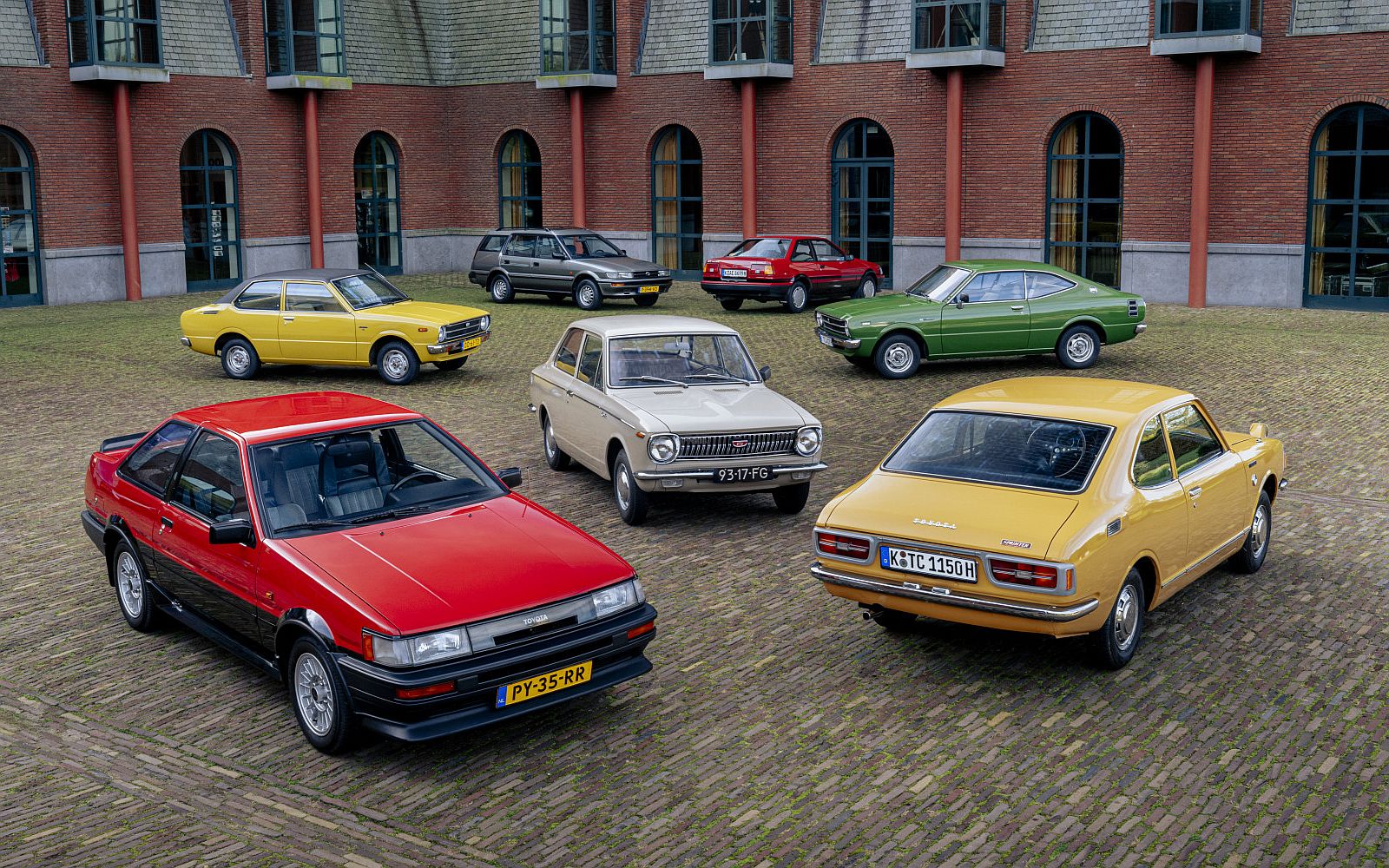
Looking over the Toyota Corolla history, it isn’t hard to see why it has become the world’s best-selling vehicle nameplate. Produced since 1966 and across 12 generations, more than 57 million Corolla models have been sold throughout the world as of the third quarter of 2026. An incredible milestone for our humble hatchback, you’ll agree.
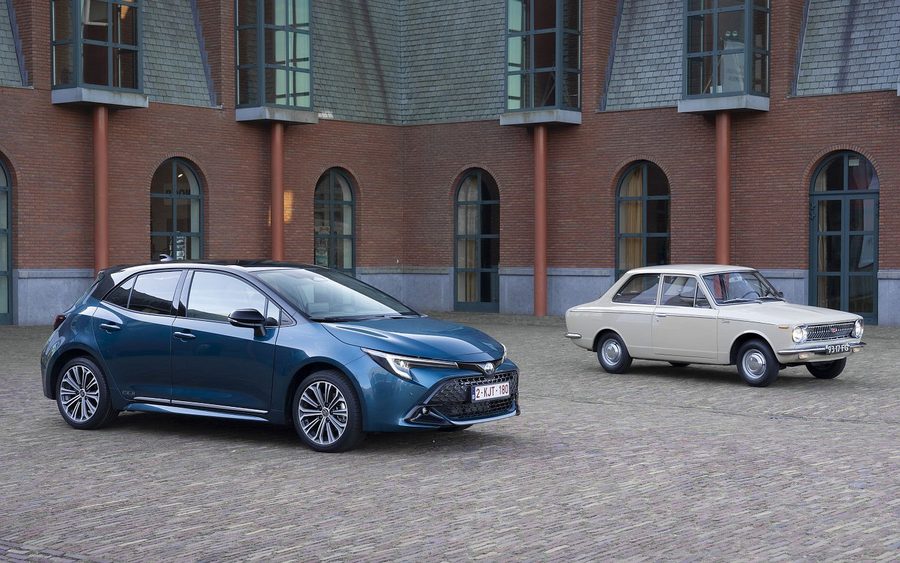
As you might expect of such a worldwide phenomenon, the history of the Toyota Corolla family is as expansive as its sales figures – much more than we could cover in one article. So we have compiled individual, comprehensively researched chapters that detail the development, general specifications and public reception of each generation.
The following subheadings offer a brief overview of each generation. But we recommend that you click on the bold hyperlinks to be taken to the full story of each chapter.
Learn more: What events led to the introduction of Toyota’s world-beater?
Toyota Corolla History – 1st generation: 1966-1970
The original Corolla was conceived as a car for the people but in fact offered much more than mass-market customers were used to. Developed from an original concept in 1962, it was revealed at the 1966 Tokyo Motor Show and launched in Japan in November that year, entering production at the new factory. Its name was inspired by the word describing a flower’s crown of petals, widely considered the most beautiful part of the flower.
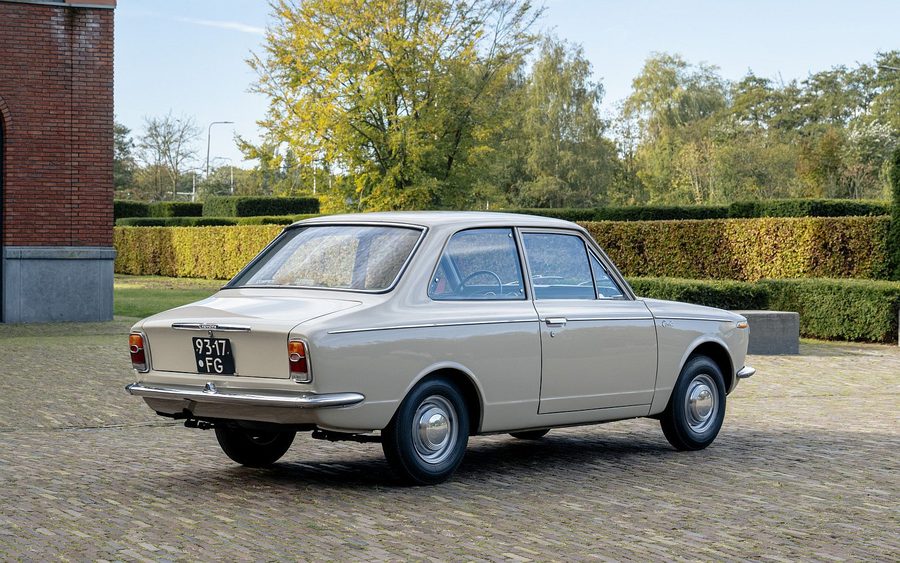
The original Corolla was a two-door saloon powered by a 1.1-litre engine producing 60bhp. In 1967, the line-up was expanded with a four-door saloon and estate. In 1968, the range gained a sportier fastback coupe (image below). Innovative features in the first generation included a floor-mounted four-speed manual transmission – a Japanese car first – disc brakes, bucket seats, multi-point seat belts and two-speed wipers. Toyota already had export ambitions for Corolla, reflected in the modern styling with a semi-fastback roof line and curved surfaces.
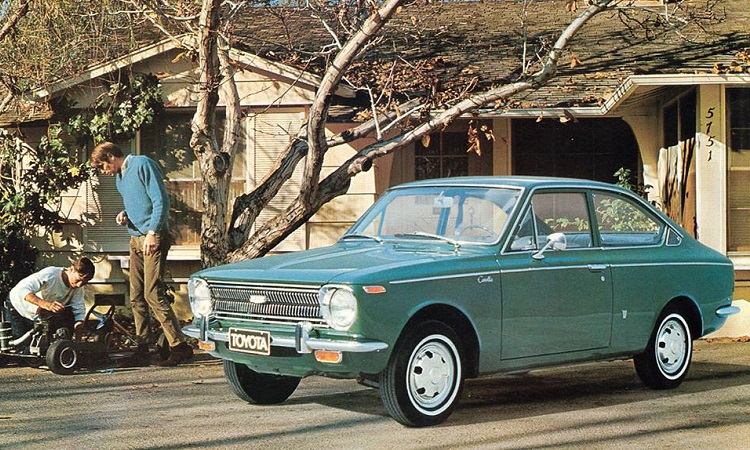
In just three years, Corolla became Japan’s best-selling car.
2nd generation: 1970-1974
The Japanese car market was booming when Toyota presented the second generation Corolla in 1970. It coincided with the milestone of the model achieving one million sales since its launch. The new car demonstrated Toyota’s philosophy of continuous improvement, with a focus on improving safety, comfort and practicality. This generation saw the addition of a two-door coupe (below), and the first sports model powered by a 114bhp twin-cam 1.6-litre engine.
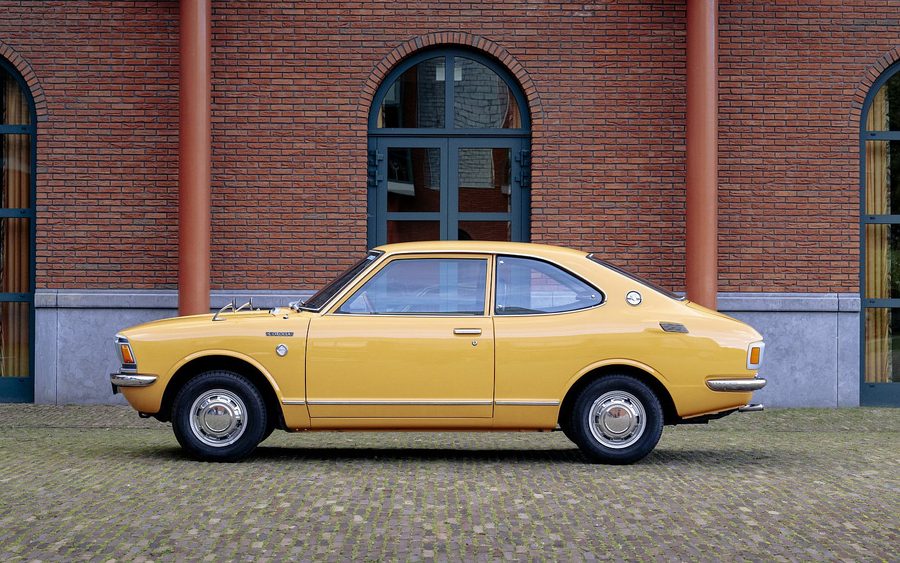
Notable features included a revised suspension system, new powertrains and high-back front seats with integrated head rests. This was the first Corolla to be offered with an AM/FM stereo radio, air conditioning, windscreen washers and rear-door child locks. It also came with a larger, 45-litre fuel tank to make longer journeys more convenient.
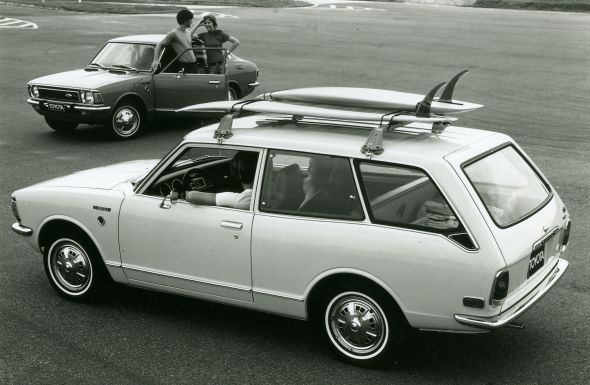
It was a huge success, with 2.4 million units built. From 1971, Toyota’s manufacturing partner Caetano also assembled cars from complete knock-down kits in Portugal.
3rd generation: 1974-1979
With Corolla now firmly established at the heart of the market and achieving annual export sales of more than 300,000 units, Toyota’s intention for the third generation was to deliver the ultimate family car. Higher levels of safety and comfort were the priorities, while new emissions regulations called for new engines to be developed. This was the first Corolla to be designed using wind-tunnel testing, resulting in a more aerodynamic, angular body.
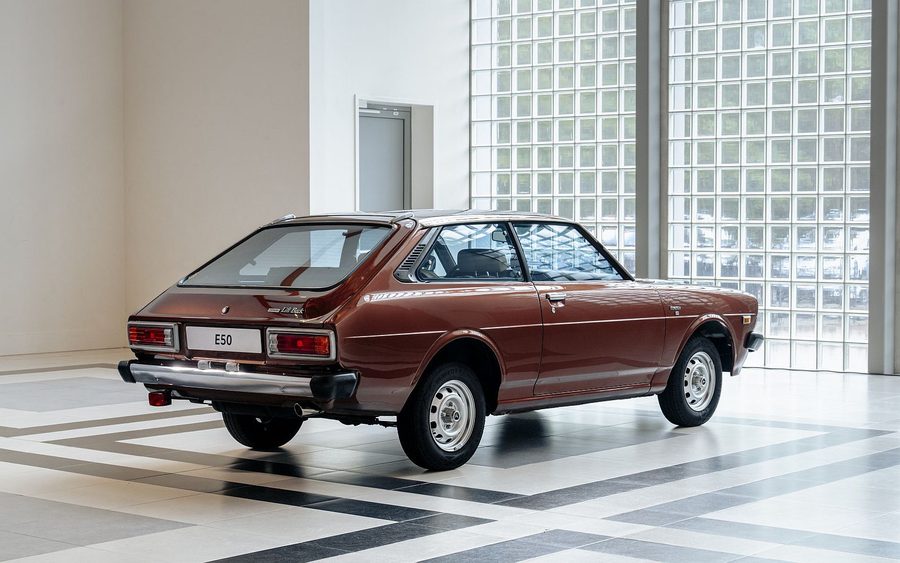
Customer choice was greater than ever, with the addition of a pillar-less coupe and the availability of hardtops and semi-fastbacks in the mid-range, rather than being reserved for top-specification models. A new Liftback model (above) linked multi-purpose practicality with sportiness.

Cabins were quieter with improvements in noise and vibration and featured centralised controls and padded instrument panels. It was also the first Corolla to be designed with passive safety features, including an impact-absorbing body, crumple zones and emergency locking seat belts. Production exceeded 3.75 million units.
4th generation: 1979-1983
At the turn of the decade, market demand was for more upmarket models, but with better fuel economy a priority in the wake of an international oil crisis. The fourth-generation Corolla made advances in all areas, but in particular handling and powertrains.
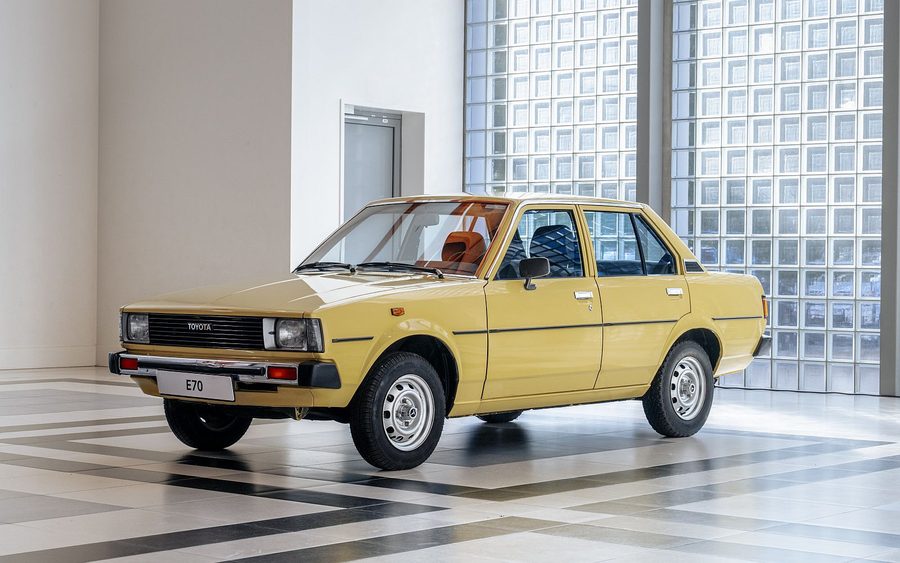
This was the first Corolla to feature rack-and-pinion steering and to replace rear leaf springs with a new multi-link system with coil springs. It was also the first to adopt a diesel engine, a 1.8-litre unit with high thermal efficiency and fuel economy. Style-wise, the new model was distinguished by its sleek lines, slanting nose and high rear deck. In the cabin, higher quality materials were used, and convenience was enhanced with the introduction of split-folding rear seats in the coupe and lift back.
5th generation: 1983-1987
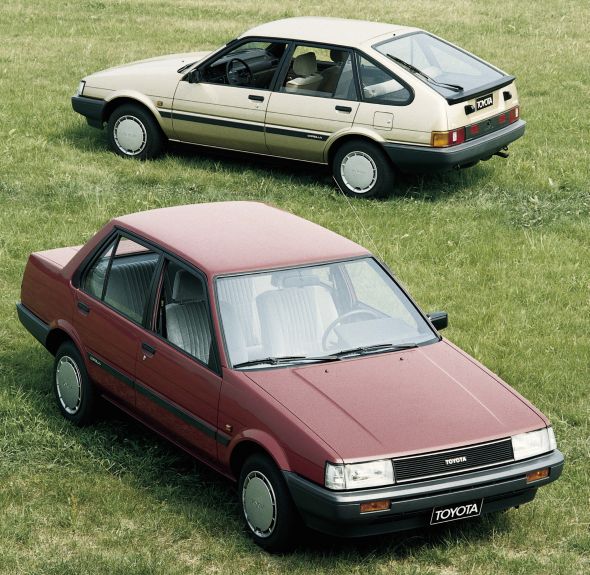
Debuting in May 1983, the revolutionary fifth generation targeted a younger generation of drivers and delivered the most comprehensive model change in Corolla history. For the first time, Toyota made widespread use of computer technology to design the exterior and develop powertrains and control systems.
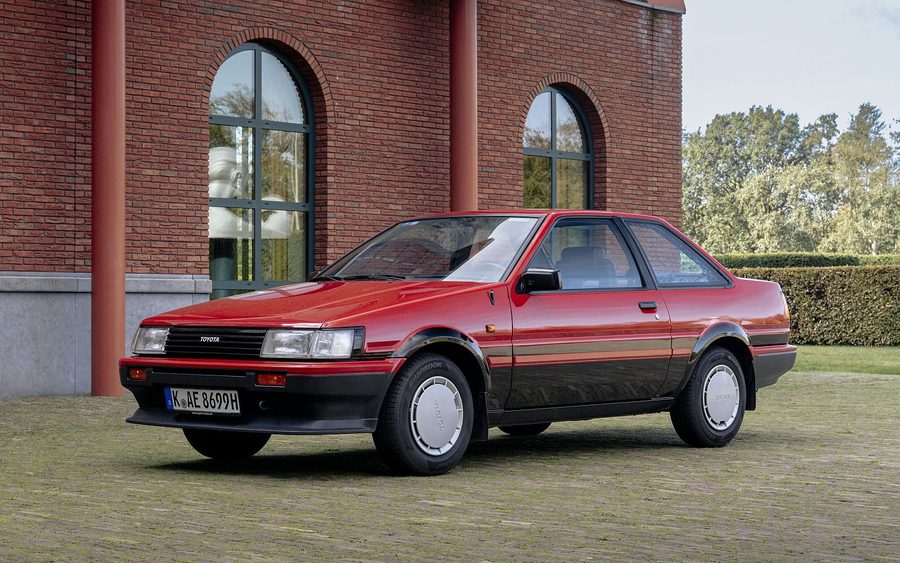
Corolla became available with front-wheel drive, allowing cabin space and comfort to be optimised, while rear-wheel drive versions remained in the line-up for those wanting a sportier drive. The cabin was designed to seat five adults in comfort, with space gained by lowering the floor, moving the steering wheel forwards and fitting a more upright rear window. Power-assisted steering was available, together with central locking, power-operated windows and a sunroof.
Toyota Corolla History – 6th generation: 1987-1991
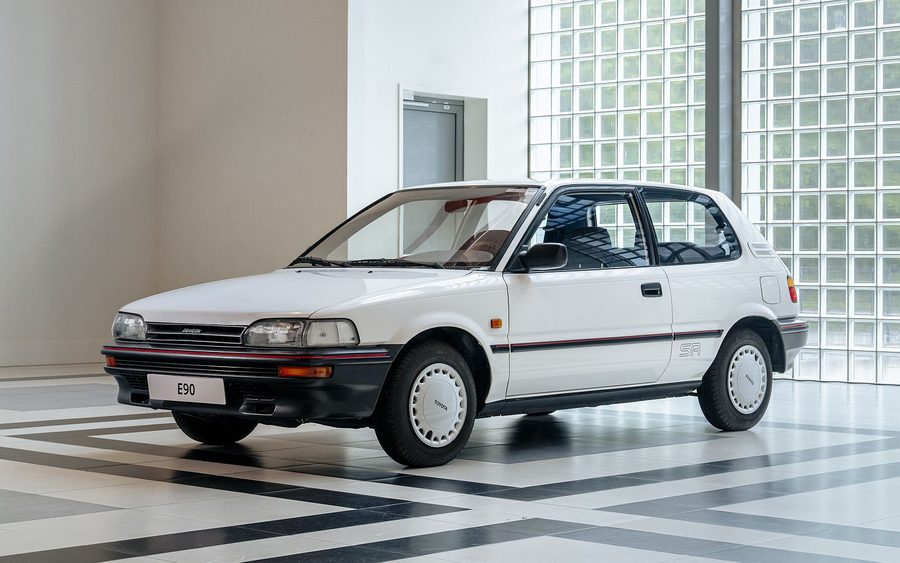
As customers sought ever-higher quality, the sixth generation Corolla set out to exceed expectations more than any previous generation. Every aspect was redesigned in order to raise class standards. Digital optimisation of the body reduced noise and vibration, while the ventilation system regulated both cabin air quality and temperature. Tactile velour upholstery raised the comfort level, while careful ergonomics were used to help define the shape, location and operating feel of the controls. New features in this respect included a rake-adjustable steering wheel, height-adjustable seatbelts and driver’s seat lumbar support.
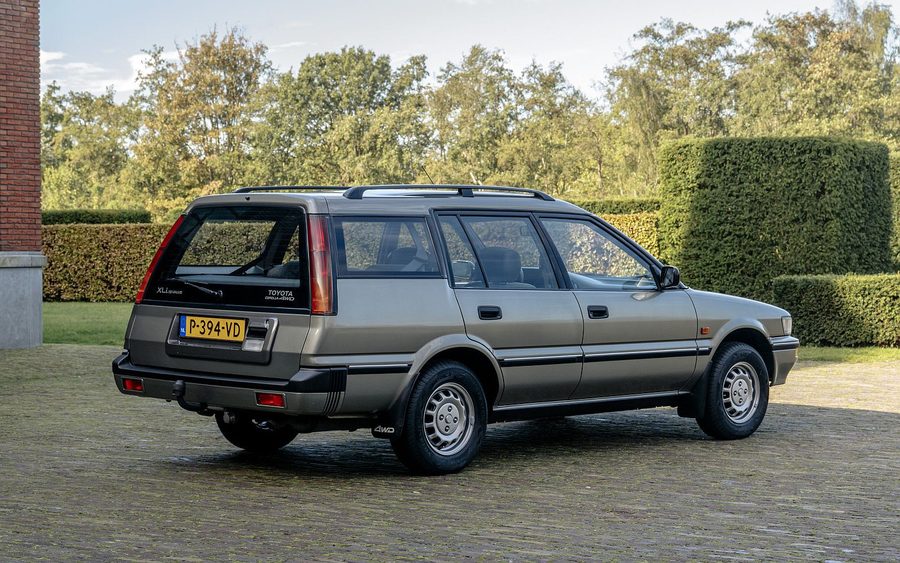
A broad choice of body styles were produced to suit different customer profiles, penned with a design theme that exchanged the straight lines of the previous generation with a more rounded look. The range included saloon, coupe, hatchback and estate and models, all of which were now front-wheel drive, though four-wheel drive was an option on the estate (above). Meanwhile, the powertrain choice was unparalleled, consisting of six petrol engines and one diesel across a power range from 64 to 143bhp.
7th generation: 1992-1997
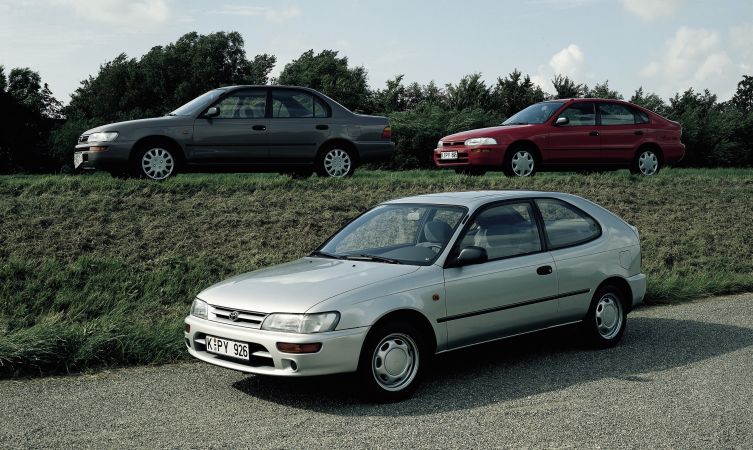
Making the world’s best-seller even better, the seventh-generation Toyota Corolla of the mid-Nineties was bigger, faster and safer than ever before.
8th generation: 1997-2001

The eighth-generation Corolla arrived with body styling specifically tailored for European tastes and desirability on both rational and emotional levels.
9th generation: 2000-2006
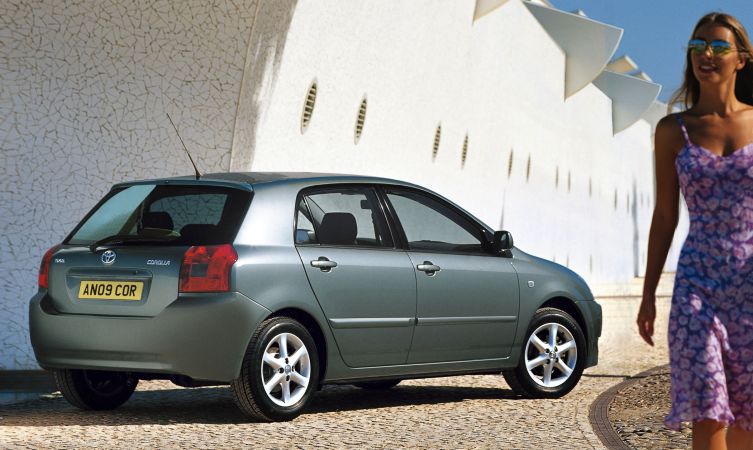
We reveal how Toyota went back to the drawing board to develop the ninth-generation Corolla, meeting the requirements of car buyers in the New Millennium.
Toyota Corolla history – the lost years?
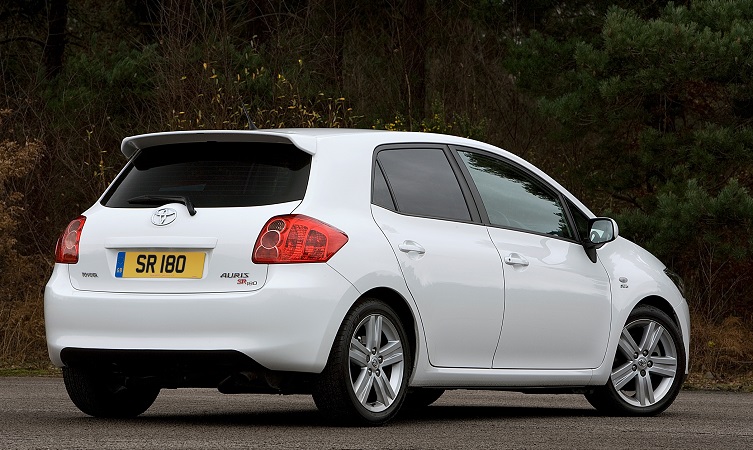
Within Europe, the following two generations of Corolla were known by another name, Auris, as this new nameplate was felt to be more closely aligned with the existing Yaris and Avensis model lines.
The first-generation Auris (tenth-generation Corolla) was produced from 2007 to 2012 and was notable for introducing Europe’s first full-production hybrid model, while the second-generation Auris (eleventh-generation Corolla) was produced from 2013 to 2018 and re-introduced an estate version to Toyota’s C-segment line.

Toyota Corolla history – 12th generation: 2019-onwards
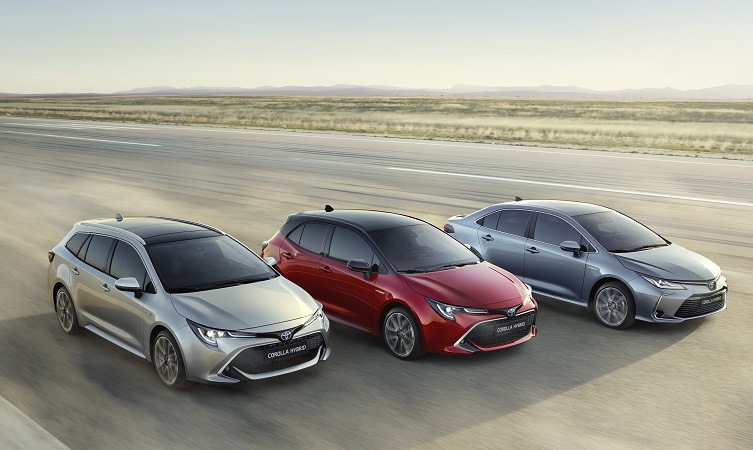
The current model reinstated Corolla to Europe with a dynamic appearance and chassis made possible by its high-tech TNGA platform. Three model derivations are available – Hatchback, Touring Sports and Saloon – plus the landmark introduction of a dual hybrid strategy, which added a new and more powerful 2.0-litre self-charging hybrid electric powertrain to the range.

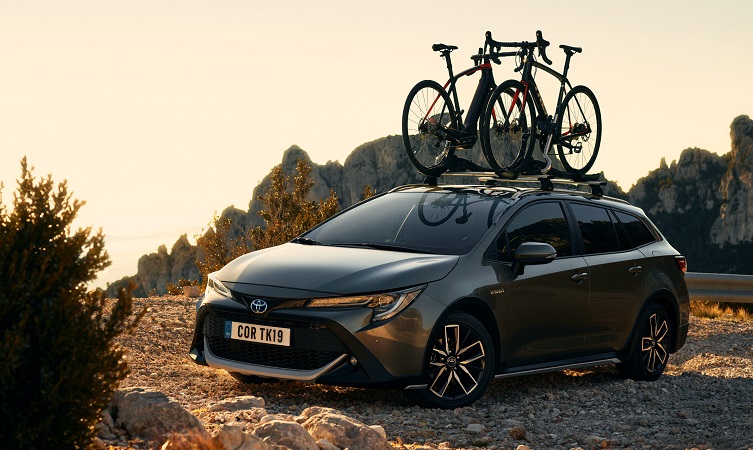
The advantages of the new platform were further reinforced to the public by the Corolla’s high-profile entry into the British Touring Car Championship, where it has proved to be a consistent front-runner in this always-exciting series. Some of that Toyota Gazoo Racing influence is also imbued in the Corolla GR Sport grade, while activities of a more off-the-beaten-track nature were imbued in the limited edition Corolla Trek (below), which gave the Touring Sports model a more rugged, crossover vibe.
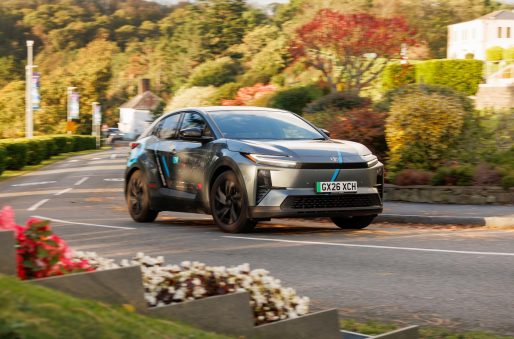
Most recently, Corolla has been at the forefront of testing new hydrogen-fuelled internal combustion engine technology in motorsport (below) as an additional way of helping society achieve carbon-neutral status.



I have a pristine 9th generation D4D 1.4. which turns heads. Still delivering 40—45 mpg around town and 68-70 on a long run. I never get tired of driving it, she’s a beauty! Downside, I can’t get any more headlight covers!
Hi Martyn,
Thanks for getting in touch! It’s great to hear positive comments about our customers and their vehicles. You may be interested in this blog post on the 9th generation Corolla: https://mag.toyota.co.uk/toyota-corolla-generations-2000-2006
We wish you many more happy miles in your Corolla!
I have a 97 E110 1.3 EFI corolla liftback that drives as new. Only 101k miles and so reliable. I love it. No rust either.
You left out the most legendary of all corollas. The 5th gen ae86 Gt coupe, which was rwd. Tut tut
Hi Owen,
Thanks for getting in touch, that certainly is a great Corolla. If you’re interested in the AE86, you may be like this: https://mag.toyota.co.uk/toyota-sports-cars-past-and-present-ae86-vs-gt86.
Thanks.
Where are the AE sereies??
Hi there,
Thanks for your comment. We certainly agree that the AE series is worth remembering!
If you’re interested in finding out more, check out this blog post about memories of the AE86 Corolla, here: https://mag.toyota.co.uk/toyotas-corolla-ae86-1980s-memories
Thanks.
i can buy from Romania country ?
Hi Iulian,
Thanks for getting in touch.
As we are Toyota UK, we cannot advise on other markets, so we would recommend contacting Toyota Romania for further help with your query.
You can find their website here: https://www.toyota.ro/
Thanks.
I love Toyota corolla brand ! Please make the cars with big space for families and children’s with safety.
I still have my 2nd generation Corolla Coupe and still running. These cars are built to last!
I’ve had 5th 7th now 10th , 5th and 7th did me for 30 years , still have the 7th perfect, all great cars ,