

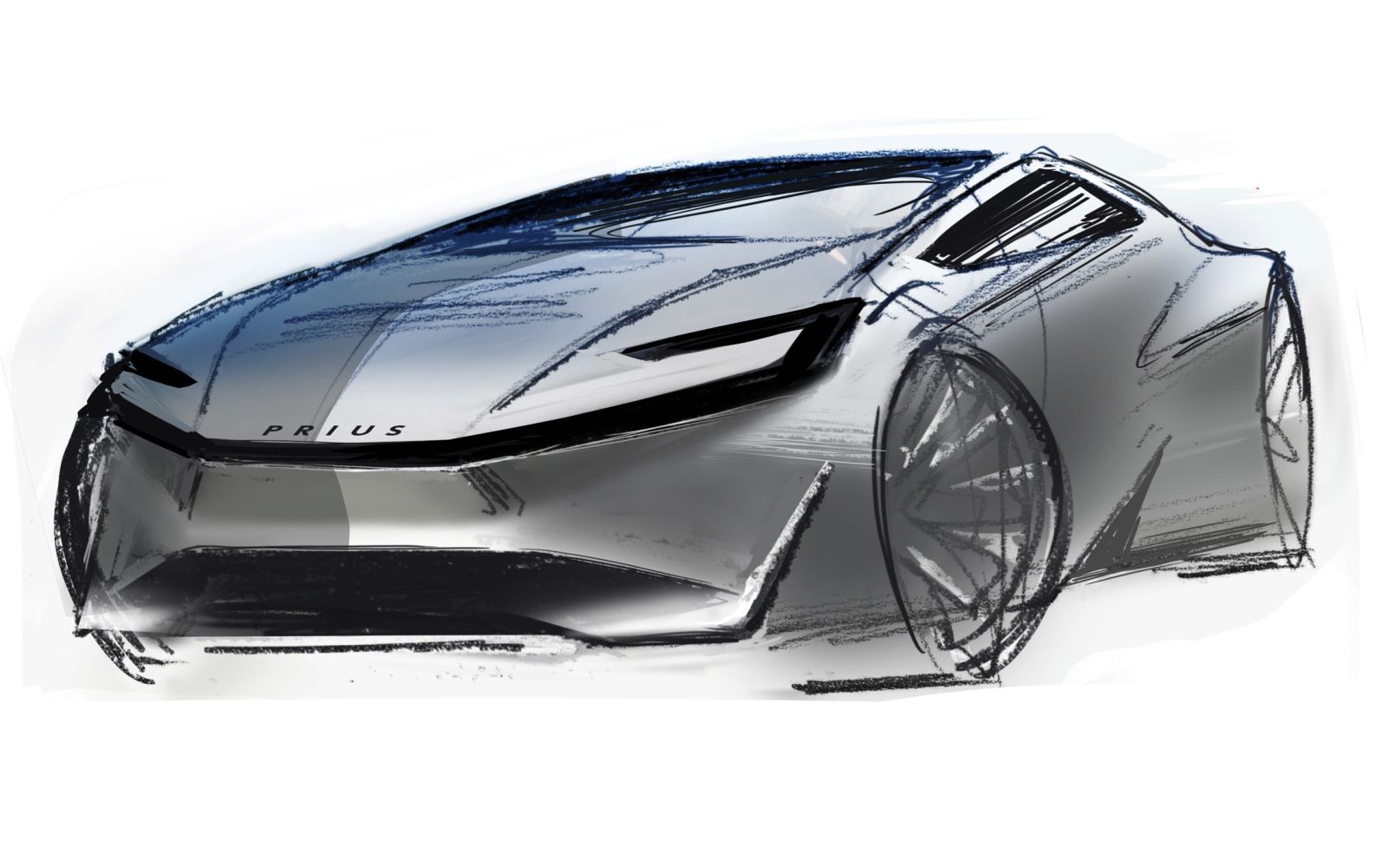
The Toyota Prius started life as a quirky, rounded saloon and evolved through successive generations into one of the most widely recognised vehicle silhouettes. In the model’s quest for ever-better efficiency, aesthetic form was required to follow aerodynamic function, which meant that for almost 25 years the words ‘Prius’ and ‘design’ were rarely mentioned in the same sentence.
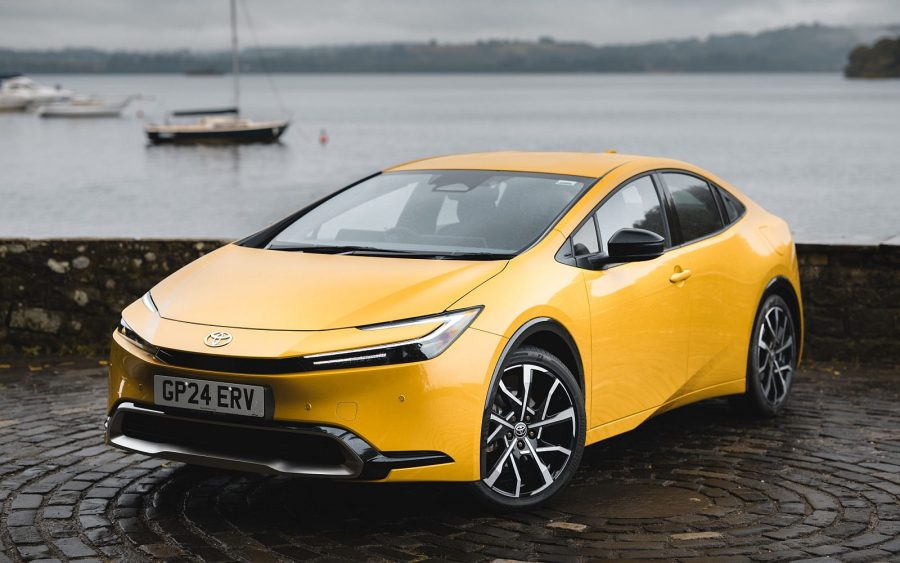
However, when the fifth-generation model’s coupe-inspired design was unveiled it earned wide and consistent praise. The new car was voted 2024 World Car Design of the Year, and in winning Top Gear’s best plug-in hybrid award was acclaimed for possessing “the best redesign we’ve ever seen”. Within a single generation the car was transformed. It went from being something of a commodity in the private hire sector to one of the most aesthetically admired in the entire automotive industry.
How did this change come about? What are some of the new Toyota Prius design secrets?
Prius design: development
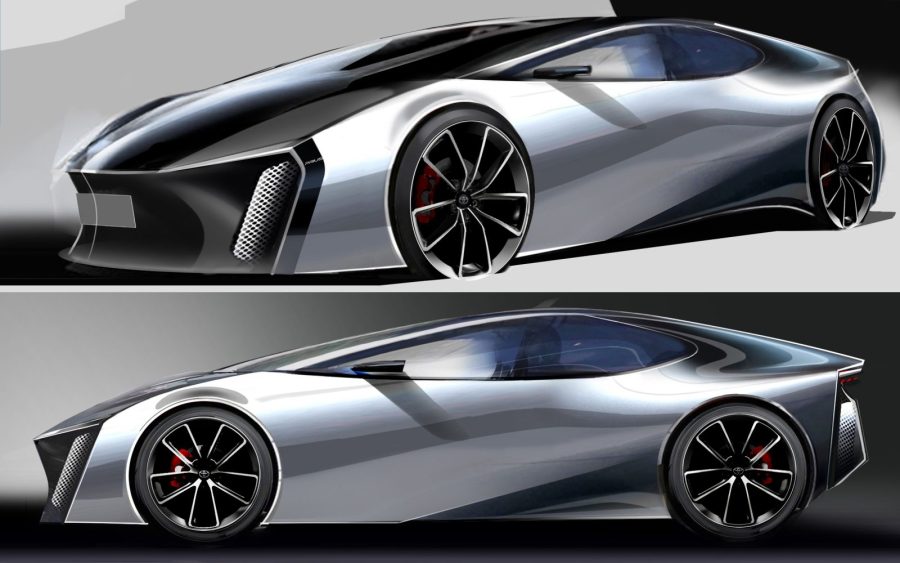
Early design sketches reveal that the fifth generation Prius was always going to make a break with convention. The model’s iconic ‘kammback’ shape shape was preserved. But this time it was given a sleeker, sportier silhouette with a lower roof and longer wheelbase within a shorter overall length.
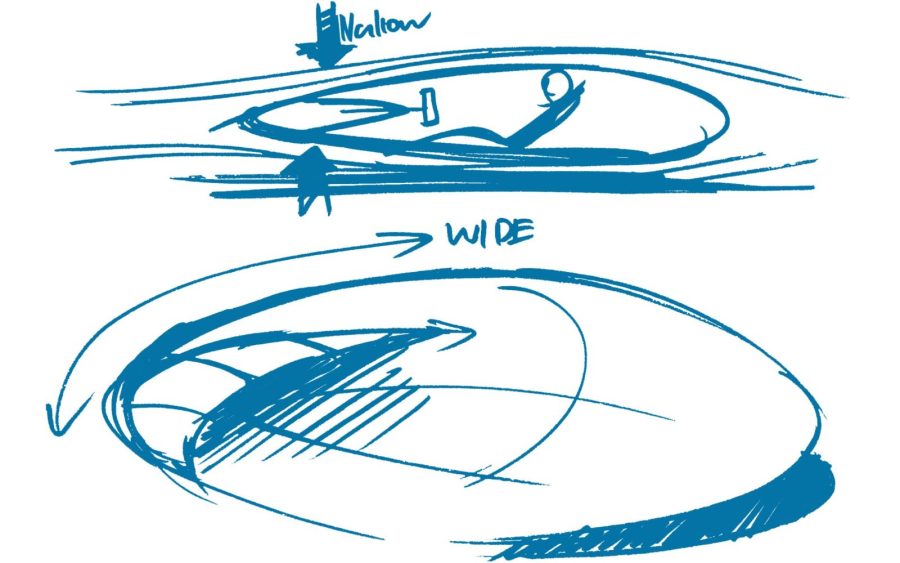
Chief designer Yuji Fujiwara explained the team’s thinking: “Using Hybrid Reborn as our motto, we aimed to create a breathtaking design, something that couldn’t be quantified or reasoned with. We poured our passion into creating a cool design.”
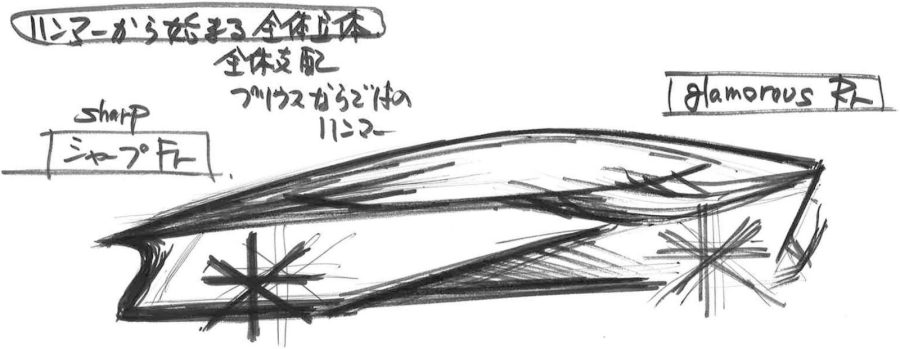
The focus for the exterior was a clean, simple look that tansitioned naturally across the bodywork’s surfaces without the aesthetic being confused with unnecessary lines or shapes. Giving the car a sportier and more exciting appearance – being fun to look at and fun to drive – was also a priority. In this respect, colour choices were a key consideration. On its launch the new Prius debuted two new metallic exterior finishes that the designers believed complemented its design to best effect: a striking mustard yellow, and ash grey tinted with shimmering mica.
For the interior, designer Tsuyosho Oba sought to generate “excitement from the moment you open the door”. He therefore recruited younger designers to deliver something different, using a trial-and-error approach to achieve just the right effect.
Latest Prius: not just a pretty face
Looks aren’t everything. So Prius design virtues are backed by day-to-day practicality and budget-friendly performance. The new 2.0-litre plug-in hybrid system is lighter, more compact and more efficient, enabling an all-electric range of up to 53 miles. Indeed, as EV driving is the car’s default mode, the model’s high efficiency attracts a benefit-in-kind company car tax rate of just 9.0%, while all-round ownership costs are among the best in class.
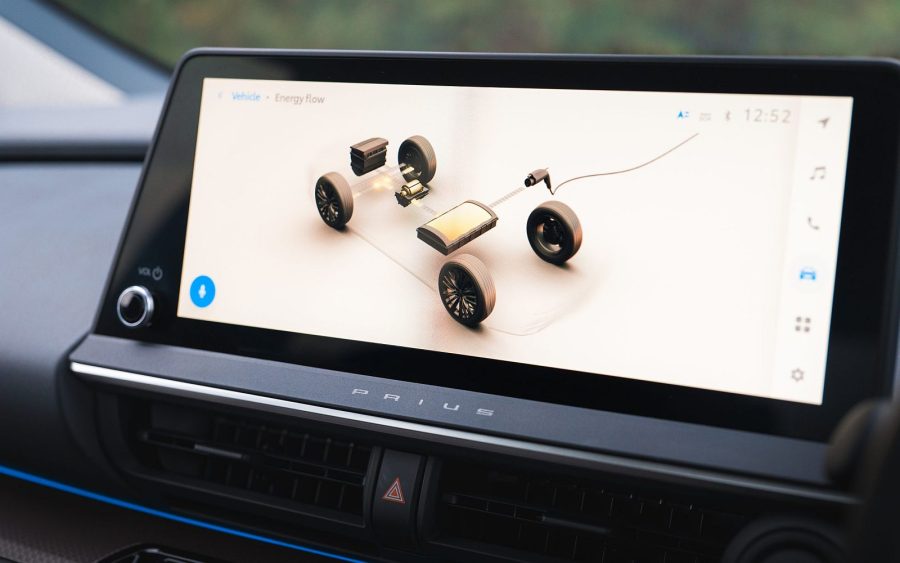
Performance and handling reflect the Prius’s sporty appearance: total system output of 220bhp delivers 0-62mph acceleration in 6.8 seconds. Moreover, the Toyota New Global Architecture platform makes this the best handling Prius yet. It offers a low centre of gravity, high body rigidity and a suspension system tuned for poise, comfort and quietness.
Learn more: Road test reviews of the latest Prius
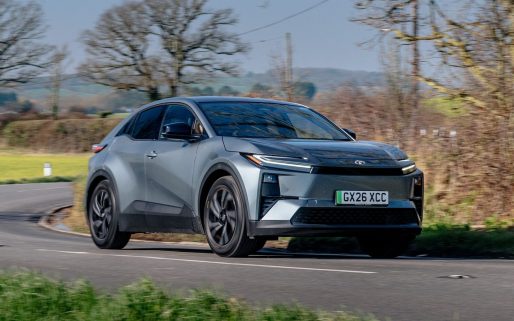
OK you have a fancy plug in Prius but we other Toyota drivers and my family is on their 9th Toyota, would love you guys to have a plug in Corolla Tourer like mine. I cannot see my next car in your line up which will be a great disappointment to me and to my Exeter Dealer. Surely the Estate car is ideally suited to plug in.
To my eye the latest Prius is one of the all time greats of automotive sculpture rubbing shoulders with the Toyota 2000GT, the Etype Jag, the 1950’s Citroen DS and the P series Rover. It will be fascinating to watch how history sees it.
My new Prius delivers in a month or so and I have looked as best I can for tips on maximising the life of the PHEV traction battery. An important theme is seemingly not to too often charge above 80% capacity. Some of your website advice appears, by my understanding of it, to infer that all Toyota on-board traction battery chargers will automatically control the charging level without any need for the user to set the charging to 80%, and nor is there any need to manually turn off the charger at 80%. Thus it seems to me to mean that if one allows the charging to continue so that the on-board meter shows fully charged, the automatic system will actually limit the actual charge to around 80% rather than the the absolute maximum so as to preserve the battery long term.
Please, is my drawing of those inferences correct or would you advise me to manually or in my settings, limit the charging to 80% ? Thanks for your help.
Good morning Malcolm, apologies for the delay in coming back to you.
Can’t be long now until you’re enjoying your new Prius Plug-In Hybrid. Thank you for choosing Toyota!
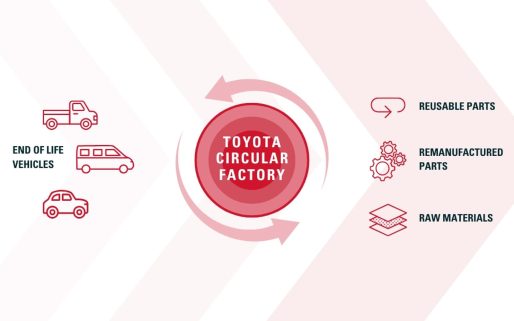
For technical advice and recommendations, your local Toyota Centre are always happy to help. For some reassurance, Toyota Plug-in Hybrid batteries are engineered to last the lifetime of the car. For added peace of mind, every battery comes with a three year / 60,000 miles (whichever comes sooner) warranty which with an annual Hybrid Health Check extends battery cover up to 10 years. When a battery reaches the end of its life, Toyota take back scheme ensure it is dealt with safely and responsibly.
Thank you.