

Key takeaways
- Toyota Circular Factory (TCF) is a new recycling initiative that disassembles and processes end-of-life vehicles to reuse parts, help remanufacture components, and recycle materials
- Toyota Manufacturing UK’s production facility at Burnaston was selected as the first TCF site
- Earned the prestigious Sustainability Award by Autotrader for its environmental credentials
- TCF effectively applies Toyota’s world-renowned production system in reverse
- Burnaston will initially recycle around 10,000 vehicles a year
- TCF aligns with the fifth step in Toyota’s six-part environmental challenge
Toyota’s European operations has established an exciting new vehicle recycling initiative called Toyota Circular Factory (TCF). Already an award-winning enterprise, its aim is to create multiple centres around Europe that will provide careful and systematic processing of vehicles at the end of their life to maximise the environmental benefits of recycling, repurposing and remanufacturing.
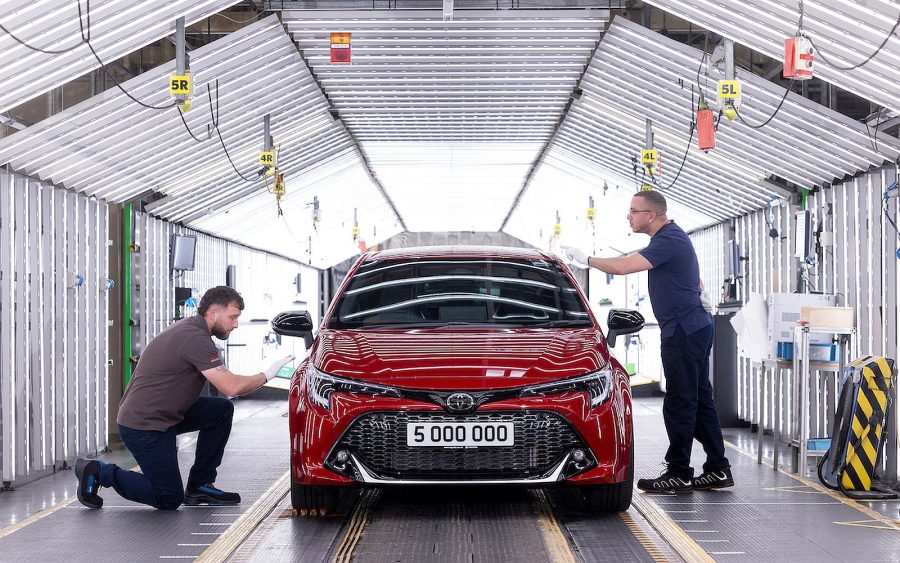
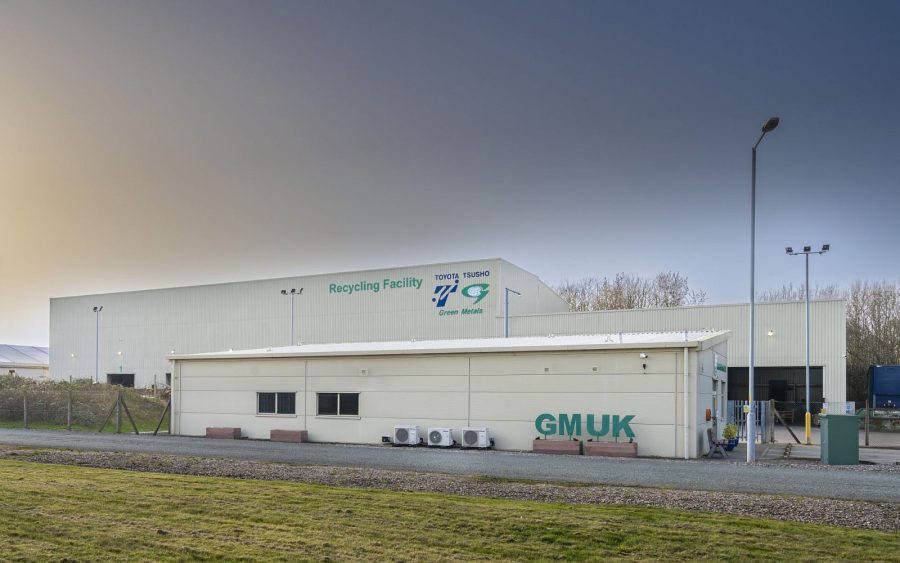
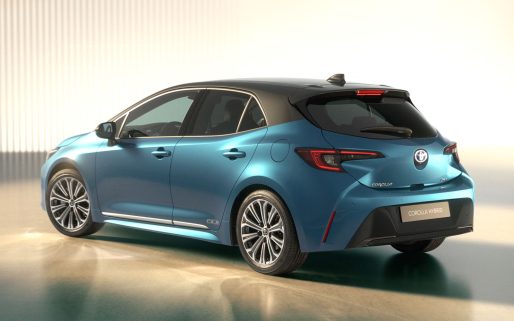
Toyota Manufacturing UK’s production facility in Burnaston, Derbyshire — home of the UK-built Corolla — was delighted to be selected as the first of such TCF centres. Activities began there during the third quarter of last year, and the first car benefiting from this circular process came off the line on 19 March 2026. The plant now sets the benchmark for Toyota’s future recycling operations across Europe and worldwide. But how does it work?
Toyota Circular Factory: three key processes
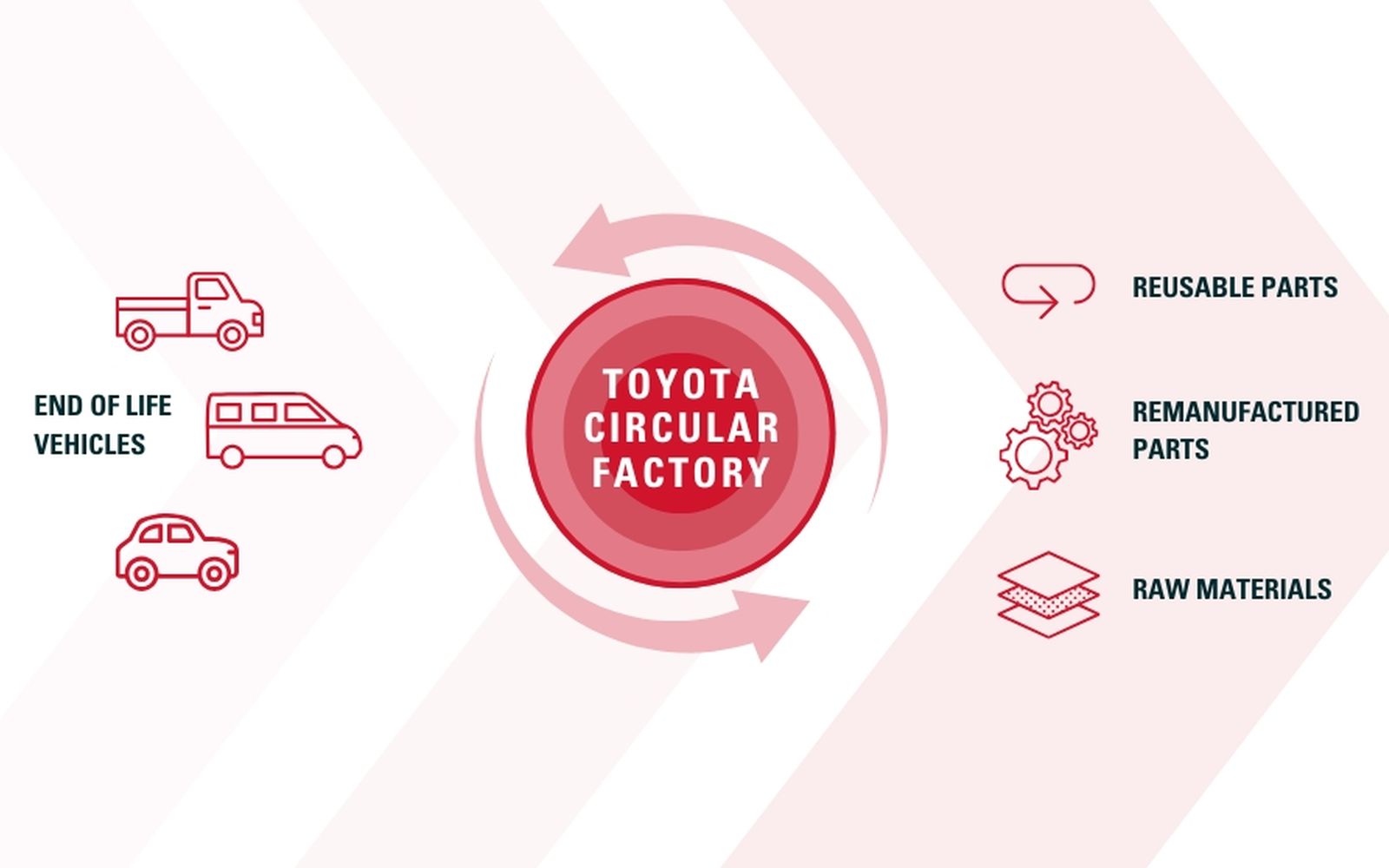
TCF processing focuses on three key areas: reusable parts, components that can be remanufactured, and materials that can be recycled.
Following a comprehensive validation process, reusable parts are reintroduced to the market through retailers or distributors. Components such as batteries and wheels are assessed for their potential remanufacture, repurposing or recycling. TCF also recycles raw materials such as copper, aluminium, steel and plastic, which can replace virgin materials in the production of new vehicle parts.
For example, aluminium recovered from old alloy wheels is processed, prepared for re-use, then supplied to Toyota’s Deeside plant in North Wales where it is incorporated into material used for the production of engine components. The completed hybrid power units are then shipped back to Burnaston for installation in new Corolla vehicles.
Like production in reverse
Burnaston new TCF operation differs from established dismantling companies in that it effectively applies the Toyota Production System in reverse. This step-by-step process for handling end-of-life vehicles covers not just their dismantling but also analyses how recovered parts and materials can be reintroduced to maximise efficiency.
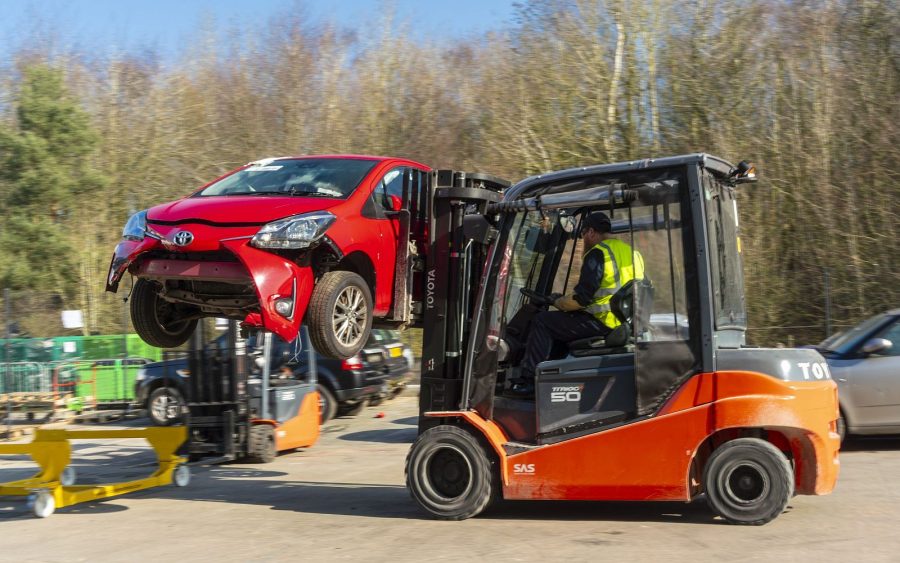
The first stage involves the controlled deployment of airbags to ensure safe handling before dismantling begins. All fluids and gases are removed using compliant, monitored procedures.
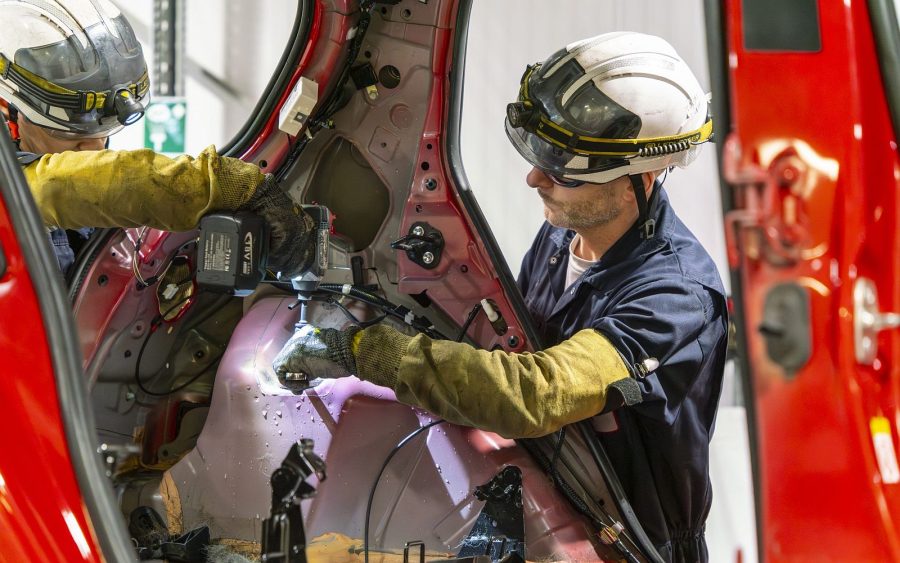
The next step is standardised dismantling. This is carried out by trained technicians who bring their Toyota manufacturing experience to the task, applying familiar assembly methodologies in reverse. The recovered materials are then sorted and classified, with careful separation of metals, plastics and mixed items for efficient downstream processing.
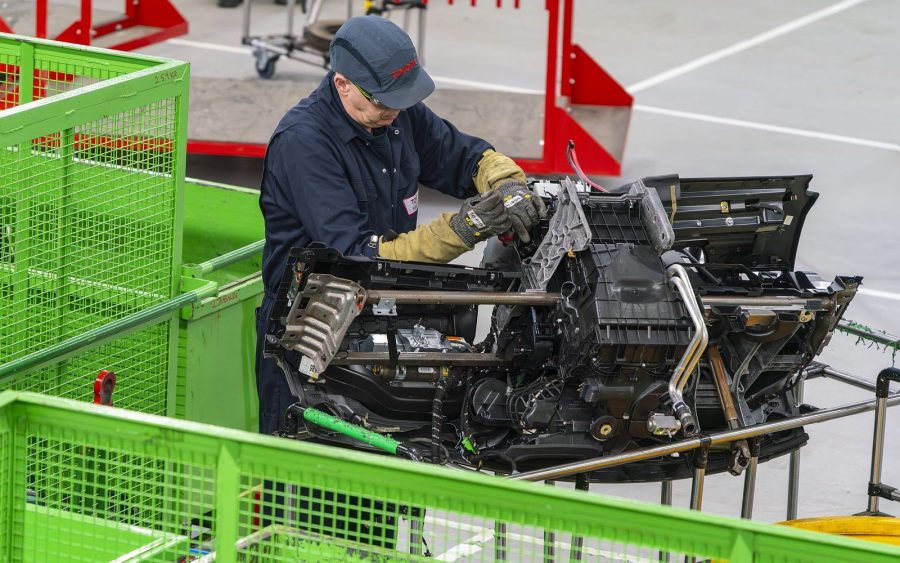
This enables early-stage research into how these can be repurposed and brought back into the manufacturing value chain. Learnings are also gained into how materials behave, their durability, and how easy or difficult they are to access in the dismantling and recovery process. In the longer term, this will help inform the design of vehicles that are easier to repair, dismantle, and manage at their end of their lifecycle.
How many end-of-life cars is Burnaston able to recycle?
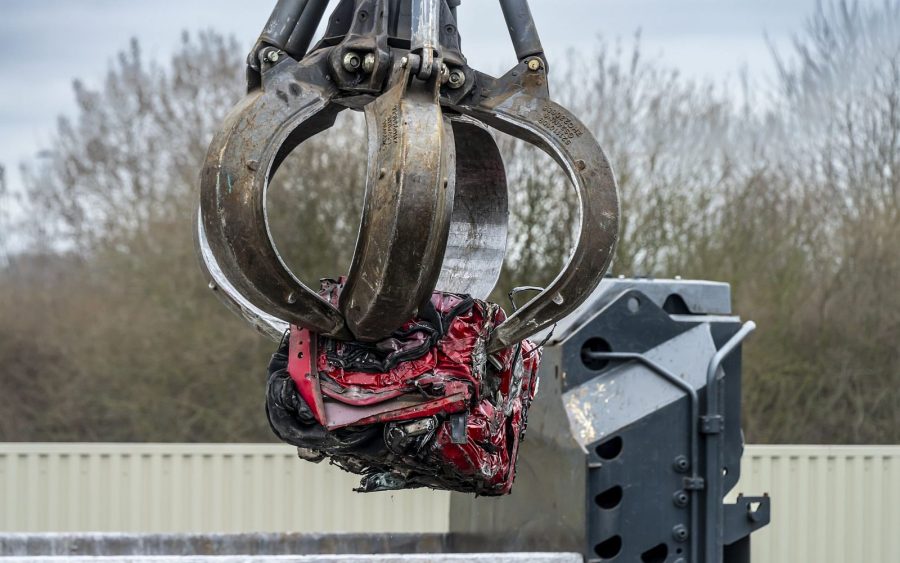
Burnaston will initially recycle around 10,000 vehicles a year. This is expected to recover 300 tonnes of high-purity plastic and 8,200 tonnes of steel, among other materials, and give new life to some 120,000 parts.
A similar operation is due to be rolled out later this year in Toyota’s manufacturing plant in Wałbrzych, Poland, which will follow the pattern of excellence set by Burnaston. And Toyota doesn’t plan to stop at its own facilities either — there is an eagerness to collaborate with other organisations which share a passion for sustainability and commitment to carbon neutrality.
Toyota Circular Factory: aligning with the Toyota Environmental Challenge 2050
With the Toyota Circular Factory initiative, Toyota aims to significantly reduce future emissions associated with vehicle and sub-component manufacturing. It sets a new industry benchmark for responsible recycling and material reuse, aligning with the fifth step in Toyota’s six-part environmental challenge of establishing a recycling-based society and systems to support this goal.

Circularity provides a clear, practical approach to keep resources in use for as long as possible. In practice, the key benefits are:
- Reduced dependence on and use of virgin materials
- Design of vehicles for easier dismantling, re-use and repair
- Extending vehicle lifecycles through safe and standardised refurbishment techniques
- Efficient recovery of materials at vehicle end-of-life
- Returning recovered materials back into manufacturing processes
Toyota’s European operations is committed to being fully carbon neutral by 2040 and achieving carbon neutrality in all its production facilities by 2030. By 2035, Toyota plans to have 100% CO2 reduction across its European product line-up.
Learn more: Identifying the six steps in the Toyota Environmental Challenge 2050


I have a 2002 Toyota Avensis automatic which I bought in 2003. It is a brilliant car but it has finally come to the stage of needing a few replacement parts, so I was devastated to find that Toyota no longer supplies parts for cars older than 20 years. My Avensis is the best car I have ever had and it would be such a shame to just abandon it. Can you help?
Good morning Mary,
It’s great to hear you’re still enjoying your Toyota Avensis.
We’d recommend getting in touch with the parts department at your local Toyota Centre in the first instance: https://brnw.ch/21x205K
Thank you.
Yes, that was the first thing I did. I went back to the dealer who sold me my Avensis and they told me that Toyota doesn’t supply parts for cars older than 20 years. In the meantime our local garage and my husband have managed to find a few necessary parts on eBay. That’s why I was very interested to see the article about the Toyota Circular Factory in The Times and thought maybe my luck is in…..
Hi Mary,
Thanks for getting back in touch.
Unfortunately, in most cases, customers will have to resort to other parts forums such as eBay to purchase parts for 20-year old cars.
We are glad that you have found the parts you need!
Please don’t hesitate to ask if you have any further questions.
Many thanks,
Toyota UK
Well don, I’m pleased to hear that you have introduced this procedure. I’d like a progress report in (say) one year’s time to learn how it is working out in practice.
How does TCF acquire used Toyotas?
Can an existing customer sell one back to TCF, or are these just donated vehicles
Good morning,
For more information and advice on end of life cars, please reach out to your local Toyota Centre.
Thank you.
Is there a prospect of sending cars to the circular factory for a complete overhaul and rebuild such that a beloved 2019 Hybrid Yaris can be turned into a 2026 version of the car with the same style and tech but the essentials like battery, engine replaced or renewed( not upgraded ) in a kind of super makeover using , if expedient , perfect parts from scrapped vehicles. Or is this a wild fancy? I can see that this would be very expensive because each refit would be made to measure.
Good morning Michael,
‘The Super Makeover’ isn’t something we offer currently but never say never!
Thank you for sharing your thoughts with us today.
What a great idea and well done to you all at Toyota for investing into this very future forward thinking process.
Hi Kevin,
Thank you very much for the support!
Many thanks,
Toyota UK
Here is someone hoping to keep their avenis on the road , you should be actively helping them!
Wishing you many more happy and reliable miles in your Toyota Avensis, Kevin!
Your local Toyota Centre are on hand if you need anything.
Thank you.
How are you going to indicate on the reused parts
that they have been used before.
If this is not done you will soon have some people making original packing and putting used parts into apparent new packaging.
Morning Dave,
Following a comprehensive validation process, reusable parts are reintroduced to the market through retailers or distributors. Components such as batteries and wheels are assessed for their potential remanufacture, repurposing or recycling. TCF also recycles raw materials such as copper, aluminium, steel and plastic, which can replace virgin materials in the production of new vehicle parts.
Thank you.
Are you not recycling toyota,s as old as 20yrs and then have a parts dept within Toyota where you can supply those parts to customers who still have those old Toyotas who would like to keep them on the road?
Good morning Michael,
You make a very good point! For parts for older models, we’d always recommend trying the parts department at your local Toyota Centre in the first instance.
Thank you.